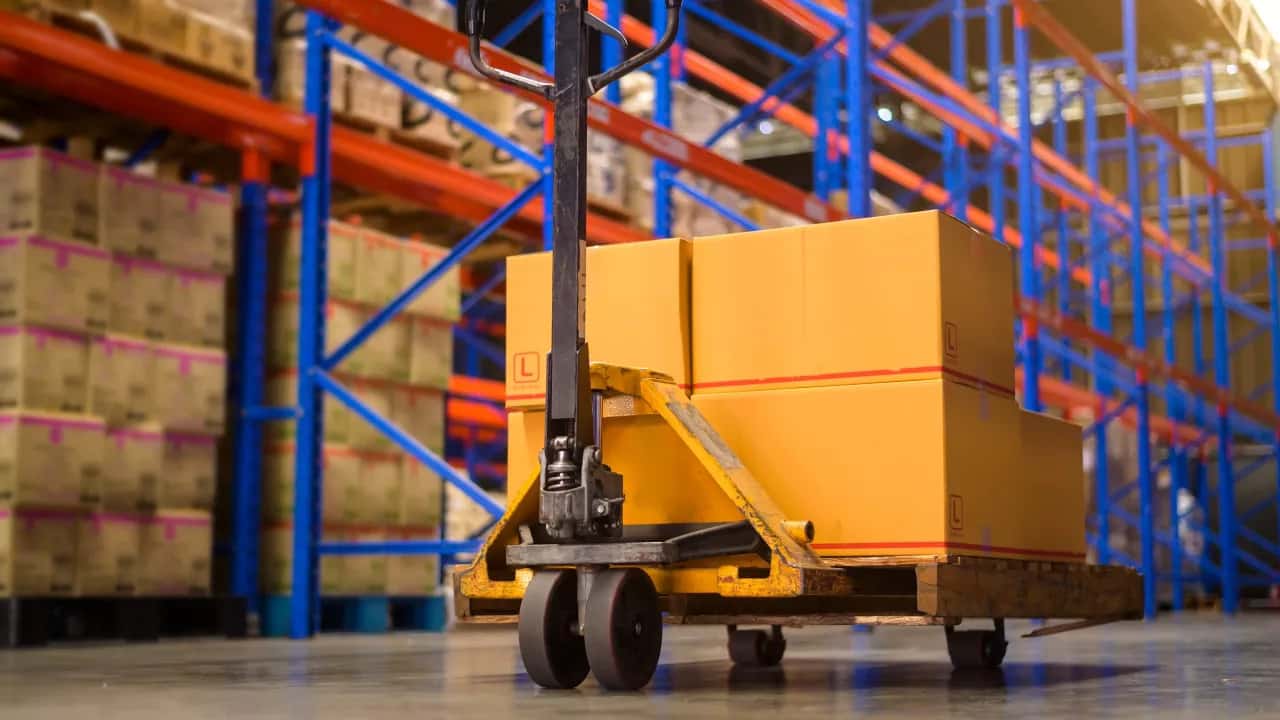
The modern world is undergoing a radical transformation in the use of physical spaces, driven by rapidly changing work dynamics. With the widespread adoption of work-from-home models during the pandemic, shared office concepts have become the new normal for the business world. This change has also reshaped physical storage needs, leading to an increase in demand for storage solutions.
The proliferation of remote work systems has created new challenges, such as employees having to store office supplies at home. Work tools like computer hardware, printers, filing cabinets, and technical equipment are taking up space at home, negatively impacting quality of life . At the same time, companies are seeking flexible storage solutions to meet the changing needs of their projects.
Co-working spaces and hybrid work models have transformed traditional office structures. In this new arrangement, employees need professional spaces to securely store their personal belongings, and these working methods, which have become normalized in the post-pandemic period, are significantly contributing to the growth of the storage sector in Istanbul. This new generation of work brings with it different solutions.
The Impact of Digital Transformation on Physical Space Needs
As square meter costs continue to rise in megacities like Istanbul, companies and individuals are seeking innovative solutions to eliminate unnecessary space costs. The Istanbul storage sector plays a critical role in this regard, offering flexible storage solutions and optimizing space. Technology sector professionals, particularly software developers, graphic designers, and digital marketing specialists, prefer professional storage services over keeping office equipment at home. With the increasing popularity of the work-from-home model, the need to transform homes into workspaces has grown, necessitating the development of new strategies for the placement of physical items.
With the rapid growth of the e-commerce sector, product storage processes have also become digitized. Small and medium-sized enterprises (SMEs) are considering flexible storage options to avoid the cost of renting physical space for inventory management. This is a reflection of the digital migration process in the physical space. Especially in the post-pandemic period, the increase in online sales platforms has changed the traditional retail concept, and businesses have started to focus on reaching customers rather than stock areas. This change in the business world has become one of the main factors triggering the increase in demand for goods storage.
When we examine central locations such as Kadıköy, Üsküdar, and Pendik, we see that these areas have become strategic locations for the warehousing sector thanks to their advantages in urban transportation and developing infrastructure. The role of urban transformation is increasingly critical for freelance workers and startup entrepreneurs living in the Kadıköy region, small businesses located around Üsküdar , and logistics companies in Pendik .
With the adoption of hybrid work models, companies are downsizing office space while simultaneously needing to optimize employee work-from-home setups. Similar to cloud computing infrastructure, physical equipment can be made accessible on demand, providing cost-effectiveness. Technology companies gain operational flexibility by temporarily storing professional equipment such as server hardware, and design agencies store large-format printers and archive files in storage facilities.
From an urban planning perspective, urban transformation storage processes not only meet individual needs but also increase the efficiency of space utilization in the urban fabric. Smaller living spaces in residential projects and shared workspaces in offices have further increased the importance of professional storage services and expanded the sector’s growth potential.
Smart Storage: The Logistics Solution of the Future
Similar to the ‘cache’ memory concept in the technology sector, physical storage is also based on the principles of fast access and secure storage. Storage services no longer just offer physical space; they now provide comprehensive solutions to customers with digital inventory management, 24/7 security systems, and mobile application integrations. Systems operating on cloud computing principles allow users to access their belongings whenever they need them.
Modern smart storage systems offer innovative features that completely transform the traditional warehouse concept. Climate-controlled environments, along with humidity and temperature sensors, ensure that electronic devices, important documents, and sensitive materials are protected under the right conditions. These services, offered especially to technology sector professionals, guarantee the security of high-value equipment. Automated notification systems instantly communicate even the smallest changes in the warehouse environment to customers.
One of the most important advantages of smart storage solutions is flexible access options. QR code-based entry systems and biometric security measures allow customers to securely access their belongings at any time. Thanks to digital inventory systems, detailed records are kept of which item was stored or retrieved, when, and by whom.
Today, the integration of physical storage spaces with digital technologies plays a critical role in increasing the operational efficiency of modern businesses, making security technologies and digital tracking systems an integral part of modern storage processes. Thanks to RFID tagging, smart camera systems, and mobile notifications, customers can track the status of their belongings in real time. The technological infrastructure offered by platforms that stand out with smart storage solutions continues to improve the daily workflow of professionals every day.