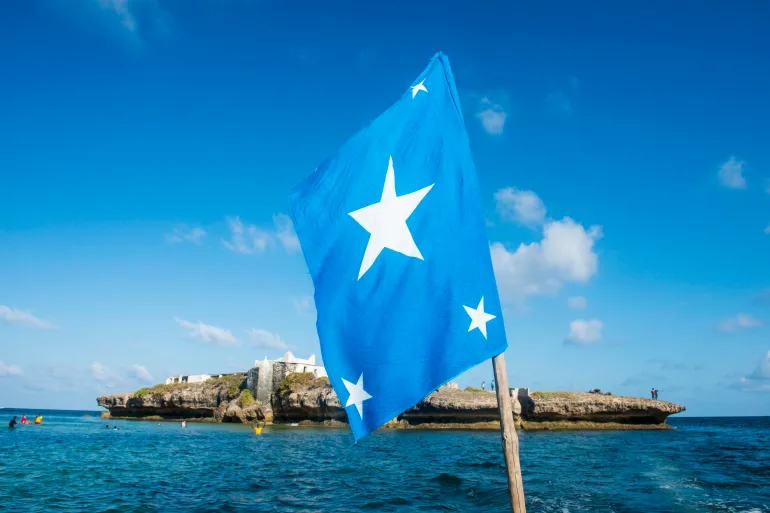
Somalia is making efforts to attract tourists, banking on its clear waters and sandy beaches, although the security situation remains unstable outside the capital, Mogadishu .
“I didn’t tell my family exactly where I was going, but… from the moment I got off the plane, I felt completely at ease,” AFP quoted Cheryl, who came from the United States after a stroll on Lido beach.
Cheryl adds, “The situation is not at all what you hear.”
Somalia is seeking to improve its image, especially after the army made progress since the end of 2023 that allowed it to regain control of about 200 towns and villages.
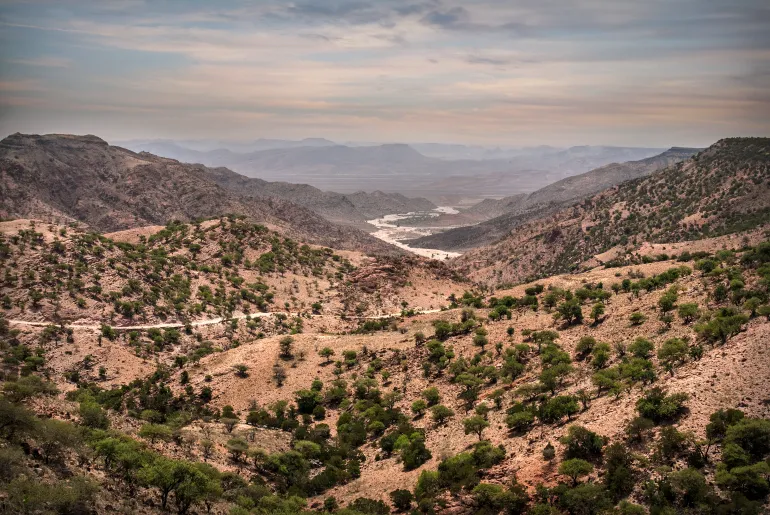
Authorities assert that attacks have decreased by 86% in the capital thanks to the deployment of more surveillance cameras, security barriers, and plainclothes police officers to monitor crowds.
Despite all these measures, Mogadishu has witnessed, during the past 6 months, an attempted attack on the presidential convoy, a shelling near the airport, and an attack on a detention center.
Change image
The turbulent situation in Somalia did not prevent Tourism Minister Daoud Aweys Jama from praising his country as a tourist destination during an interview with Agence France-Presse.
Jama said, “Tourism around the world is synonymous with stability,” stressing, “Tourism will change the image of Somalia.”
He reported that around 10,000 foreigners visited Somalia last year, a number he hopes will double this year, explaining that they mostly came from China, the United States and Turkey , without explaining the reasons for their visit to the country.
An armed soldier accompanied Cheryl and her husband Richard, both in their fifties, on their outing in Mogadishu. The tourist said, “We are walking around freely, the people are as nice as people usually are, and the place is really interesting.”
However, the couple, who declined to give their surnames, had previously visited countries not known as traditional tourist destinations, such as Afghanistan, Iran and North Korea .
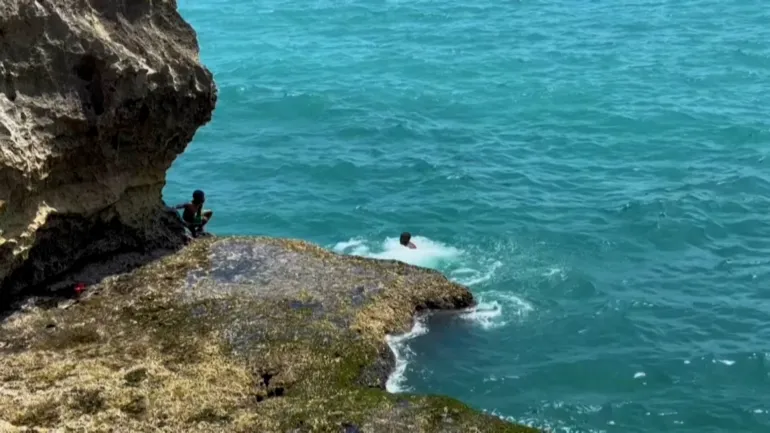
The United Kingdom advises against visiting Somalia, warning of a “high” risk of kidnapping in a country where Britons are considered “legitimate targets,” and the United States explicitly says “Do not travel to Somalia.”
Ali Hassan, one of the founders of the travel agency “Visit Mogadishu” – which organized Cheryl and Richard’s trip – says that most foreigners are “deterred by the warnings they see in Western and European media.”
But Hassan responds to that by asserting that “security has improved in many parts of the country and tourists can communicate with local residents without any problem.”
His agency charges around $500 per day per visitor, a price that includes the traditional services of travel agencies such as visa, hotel, and meals, in addition to armed escort.
In its efforts to promote the tourism sector, which it says employs 30,000 people, the Somali government has repaired roads and recently adopted an electronic visa system, but it has been hacked, prompting new warnings from Washington and London.
Anthony Middleton, a 42-year-old Briton who paid around $1,500 for two nights in Mogadishu, including security costs, says his bank froze four of his bank cards when his location was discovered.
He says that Somalia is “a dangerous country even if the situation is improving,” but he emphasizes that there is “a difference between a dangerous place and a hostile place.