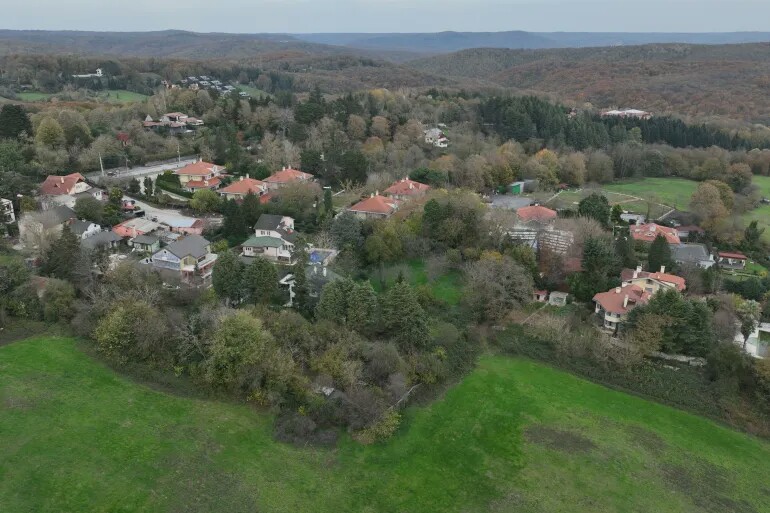
On the outskirts of the Turkish city of Istanbul, the village of Polonezkoy appears to onlookers as a quiet rest stop that combines nature and history dating back nearly 180 years, when it was founded by Polish immigrants in the middle of the 19th century.
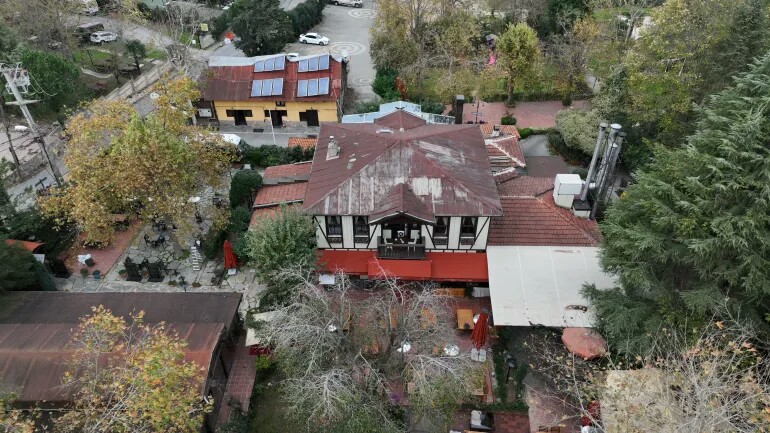
Since that time, the village has remained a haven for those wishing to get away from the hustle and bustle of the city and explore touches of Polish culture among the forest trees.
The village offers its visitors a unique blend of rural tranquility and European character, which has always made it one of the most prominent destinations for outdoor enthusiasts and those looking for distinctive cultural experiences.
Church and cemetery
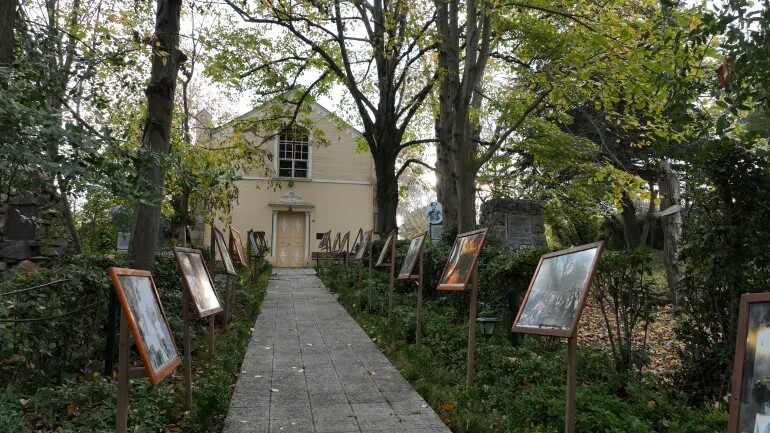
At the entrance to Polonezkoy, visitors will see prominent landmarks, most notably the village church, the Catholic cemetery, and the “Aunt Zoshiya” memorial house, in addition to a square where the Turkish and Polish flags are adjacent.
Plaques telling the story of the founding of the village are also stationed at the entrance, in addition to an Ottoman seal and a bust of the founder of the Turkish Republic, Mustafa Kemal Ataturk.
According to the information available in historical references and residents’ testimonies, in 1841, Polish Prince Adam Czartoryski established his country’s representation in Istanbul, and then Polish soldiers who fought alongside the Ottoman Empire in the Crimean War gathered on the village’s lands.
After the end of the war in 1856, the soldiers settled with their families and called the place “Adambol,” meaning “Adam’s Field.” Then the name was officially changed in 1923 to “Polonezkoe,” which means (Polish village) in Arabic.
About 35 people of Polish origin live in the village, with a population of approximately 370 people, while its streets and neighborhoods bear Polish names such as “Adam Mickiewicz,” while the guest houses bear old names such as “Freddy,” “Ludwik,” and “Leo.”
Istanbul residents go to the village on the weekend (Saturday and Sunday) to enjoy the forests, walking trails and country inns.
As for the legacy that the village has preserved, it is that its restaurants prepare Polish dishes, while some of the elderly still speak the old Polish language inherited from their ancestors.
Movement in the village increases during Christmas, which falls on December 25 of each year, as families decorate their homes and shops, and prepare special foods for the occasion, in a scene that reflects the mixing of Polish identity with the Turkish environment.
Polish architecture
For his part, the village mayor, Ozer Okumuş – who moved there at the age of 7 years after his father was appointed a teacher there – says that the area is one of the most beautiful places in Istanbul, as the air is pure and the nature is charming, and people come for breakfast and for a walk.
He adds, “The village is beautiful in all seasons. Even its winter turns into a fantasy painting when snow falls.”
He points out that the village “includes examples of Polish wooden architecture, despite the changes that have occurred to some of it over the years.”
He continues with a smile: “While Anatolian children grow up with Ahmed and Ali, I grew up with uncles with names like Oleg, Edek, and Vincho, and today Daniel, Bulke and Freddy continue to preserve this heritage.”
Speaking about the Cherry Festival, which is held in the summer in the village, Al-Mukhtar says that it “attracts folk dance groups from Poland and provides a special experience to visitors.”
Village spirit
For her part, Anna Velkoszewski, one of the oldest residents of Polonezkoy, says that the village was previously more crowded with Poles, but many of them left it over the years.
Vilkuszewki adds, “We lived difficult days here, but the most beautiful thing about our lives is that we preserved the spirit of the village, as we used to sell butter and eggs in Istanbul, cultivate fields, and stage the old plays that our grandmothers used to direct and perform.”
She confirms that “the families who visit the village now realize its value more than ever before, as cultural life and celebrations are still continuing as they were in the past.”
As for Anthony Duhoda, who is from the sixth generation and runs a restaurant in an old Polish house that his family inherited, he says, “The story of the village has become a source of curiosity for people.”
Duhoda adds: “Our ancestors lived here preserving their traditions, so the place became the focus of interest for visitors, as if they were discovering a small Poland inside Istanbul.”
Regarding the history of the restaurant, he says: “I started hosting visitors in the rooms of this house, which over time turned into a restaurant and a small hotel.”
One family
In the first decade of the millennium, the village became at the peak of its popularity, receiving thousands of visitors on the weekend, according to Duhoda, who explains that “the Polish residents of the village feel very happy when visitors know their identity.”
He believes that “this method is considered the best way to preserve the legacy of our ancestors.”
In his restaurant, Duhoda serves old and traditional Polish meals that he inherited from his grandmother, along with Turkish dishes.
He points out that “all the shopkeepers in the village are of Polish origins, and the visitor will smell Poland in every corner.”
He proudly recalled the visit made by Ataturk in 1937 to his grandmother “Zosya’s” house, which today has been transformed into a memorial house for the village (a small museum).
Regarding coexistence, he says: “Muslims and Christians here live in complete peace, as we pray Friday in the mosque, and the sermon is held on Saturday evening in the church. We are one family.”
Polish tourist
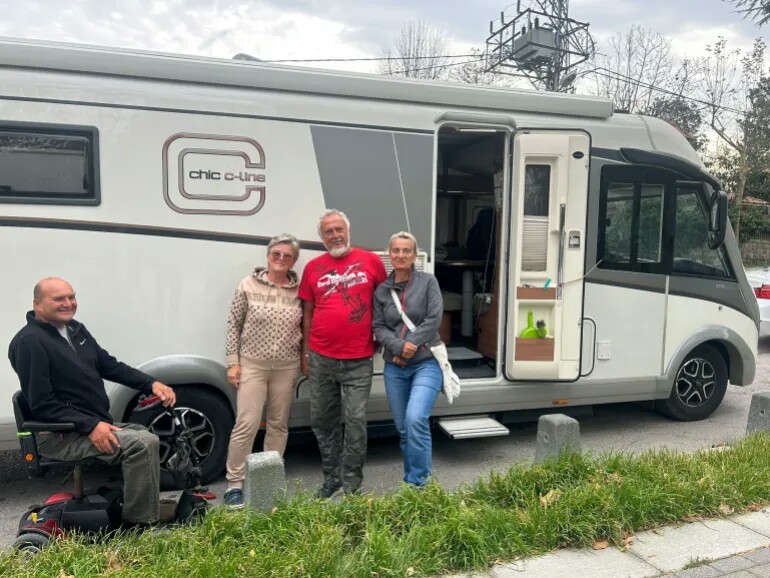
As for Polish tourist Zgislaw Gidashevski, who is visiting Türkiye with two families, he says that he came to see the village again after 15 years, to find that it still retains its charm.
The tourist adds, “Türkiye is a wonderful country, and Poles are becoming more and more curious about it. We came to visit the village and meet its residents, whom we met 15 years ago.”
He concluded his speech by saying: “Among the dense forests, wooden houses, and Polish flags, Polonezkoy remains an exceptional story of a village that has managed to preserve its Polish spirit, in one of the largest cities in the world, and has become a destination for those seeking nature, history, and unparalleled tranquility.”