At a speed not exceeding 40 kilometers, a black four-wheel drive vehicle takes us on a safari inside Akagera Park in eastern Rwanda, to discover the details of diverse wildlife in the largest wetland protected area in Central Africa.
The beginning of the journey
At the beginning of the journey, you will see a small number of wild boars at a distance of 200 to 300 meters, feeding slowly as long as they have been safe from the eyes of lions and tigers until this moment.
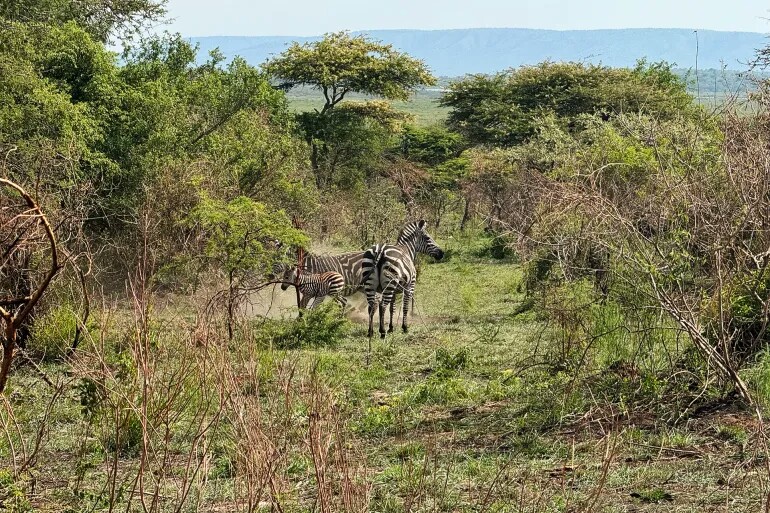
As we go deeper into the park, nature brings us more wild animals: herds of buffalo here, and groups of zebras there, and everyone lives on guard against being surprised by predators.
But the moment we were all waiting for had come. Not far away, some lions were sheltering under the trees as they looked at us. We stopped for a while to take some photos and videos before we continued the trip. According to those in charge of the nature reserve, there are about 60 lions at the moment.
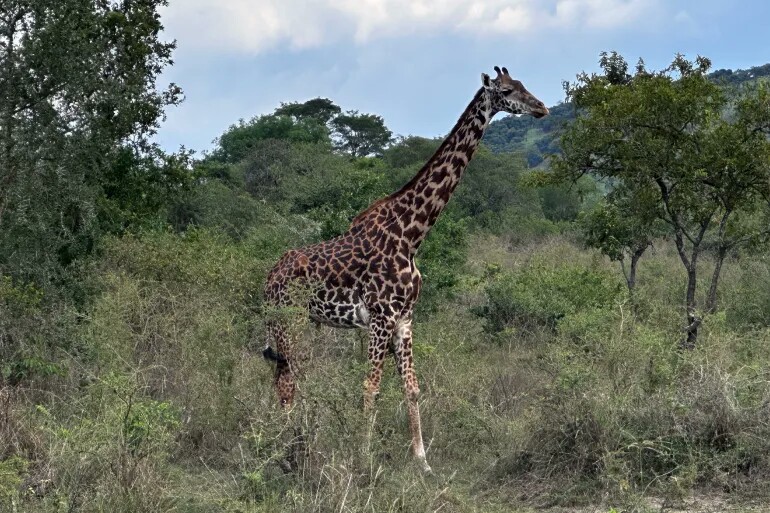
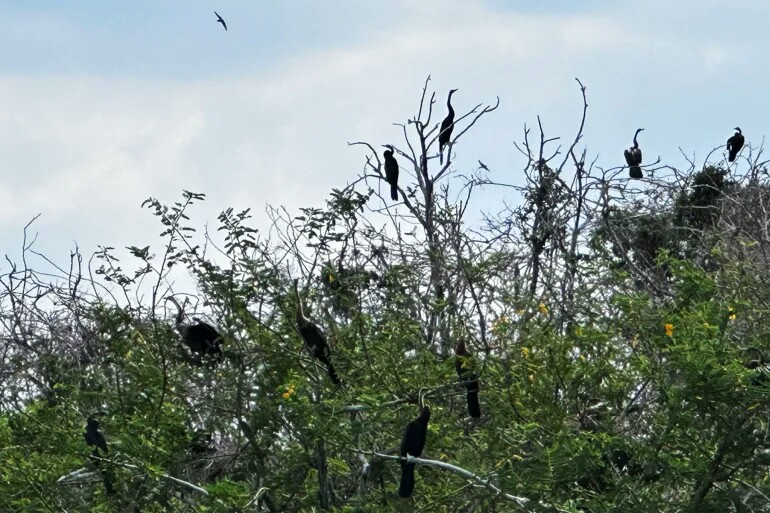
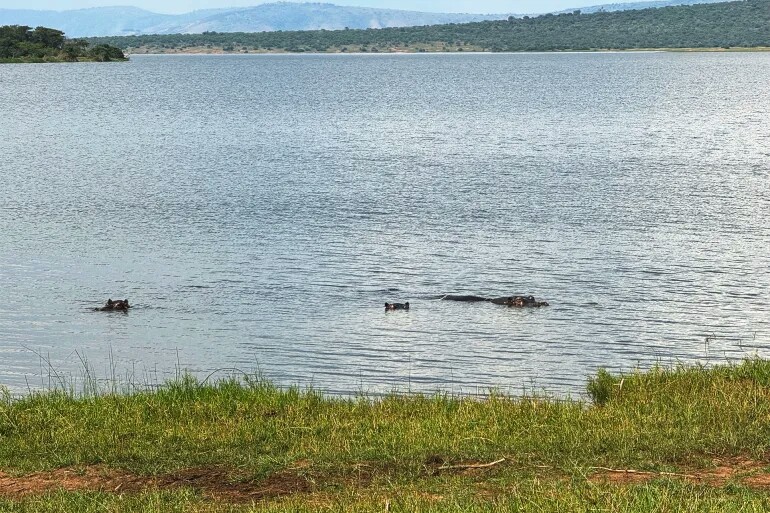
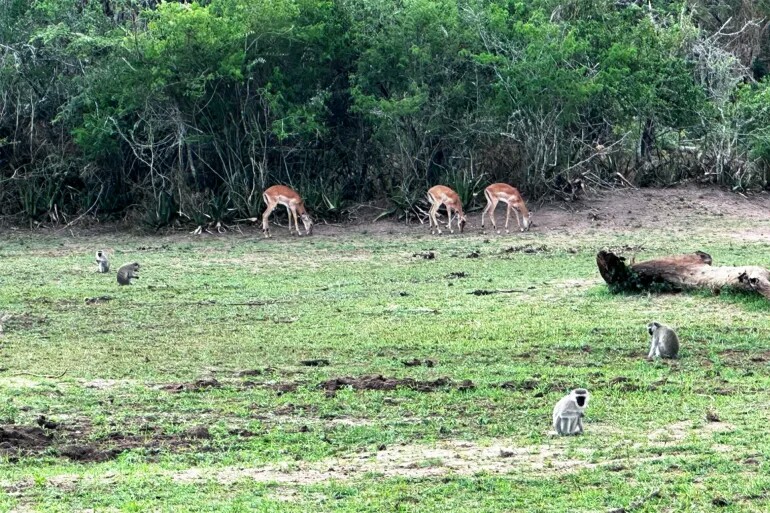
Over the course of approximately two hours, giraffes look at you with their long necks while rhinos walk slowly, hippos and crocodiles swim in the waters of small and large lakes, hundreds of rare birds stand on the branches of trees at the sides of rivers, and not far from them small monkeys move side by side with deer.
We were not lucky enough to see elephants and other animals that the park abounds, despite having another experience on the boat in the river waters. The task is not easy and requires more time and perhaps another night trip, but the trip will certainly be enjoyable for those who wish to visit a nature reserve that refuses to withstand the difficulties and challenges with official and community support and efforts. The reserve is home to about 150 elephants and 100 giraffes.
A story of resistance
Covering an area of 1,122 square kilometers, Akagera Park tells the details of a story in which nature has resisted many types of challenges over the years, offering safari enthusiasts of our time an African model of an environment in which stunning views blend with the spontaneity of diverse wildlife.
The reserve – which was named after the Kagera River – was not spared the repercussions of the genocidal war in 1994, as large parts of it were cut off, in addition to the poaching operations that damaged it. However, today, thanks to the partnerships between the Rwanda Development Board (RDB) and the African Parks Authority (APN), this reserve has succeeded in restoring its splendor, biological diversity, and environmental stability, to become one of the best tourist destinations in the country.
According to officials there, the reserve received 54.4 thousand visitors in 2023, about half of whom were foreign tourists, and the other half from inside Rwanda, and this natural space generated an income exceeding 5.3 million dollars, which represents about 92% of the costs of managing the reserve.
In this reserve – which was established in 1934 and witnessed a new launch in 2010 – more than 15,000 wild animals and hundreds of birds live, which necessitated the presence of an entity that cares for and preserves this environmental diversity. The area of the reserve was approximately 2,500 square kilometers before it was reduced.
To achieve this care, Akagera Management Company (AMC) 14 years ago assumed the task of managing the reserve under a 20-year agreement with the aim of rehabilitating biodiversity, preserving nature and developing tourism in this area. It is a partnership between the Rwanda Development Board and the African Parks Authority.
Benefit sharing
The company has implemented large projects and investments to develop the infrastructure of the Savannah Park, in addition to training employees and workers, building monitoring units, and purchasing a fleet of vehicles, motorcycles, boats, and other means, to ensure the development of the performance of this facility and protect it from encroachment.
It has employed more than 120 guards to protect the reserve from poaching and other types of illegal activities. These guards are assisted in performing their mission by trained tracking dogs and communications devices that sense the details of life in this place. A 126-kilometre-long fence has also been built on the western border, monitored by about 30 employees.
The park is not only a natural outlet for visitors, but also a source of income for the surrounding communities, as more than 320 people work in tourism activities, construction, and environmental preservation within this reserve within the framework of a sustainable vision that aims to share revenues among all partners, and dedicate the principle of community members’ support to the park’s long-term survival journey.
“The park plays an important economic and social role given the revenues we get from tourist visits, which benefits the state and the communities near here, and provides funds to continue preserving and protecting the wildlife here,” says Janvi Tweziyimana, a Rwandan tour guide.
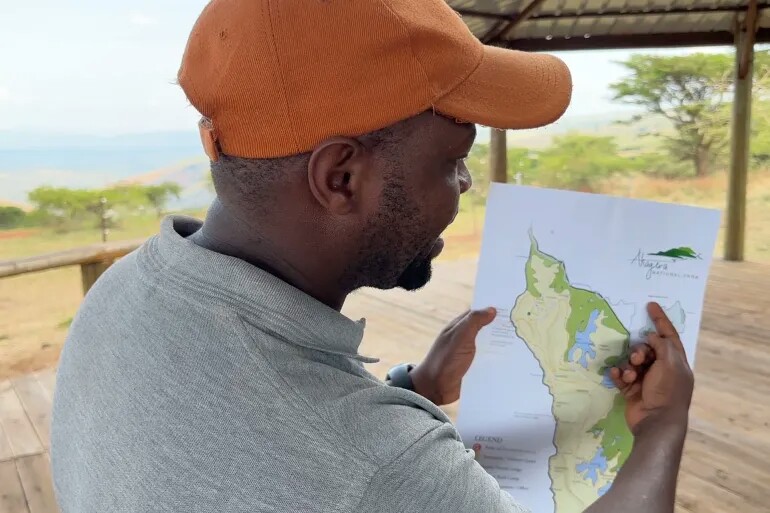
The Al Jazeera Net tourist guide adds that approximately 10% of the revenues go to support the residents who live near the reserve and help them cope with the costs of life, in addition to the fact that hundreds of residents work in various activities in the reserve.
Activities and options
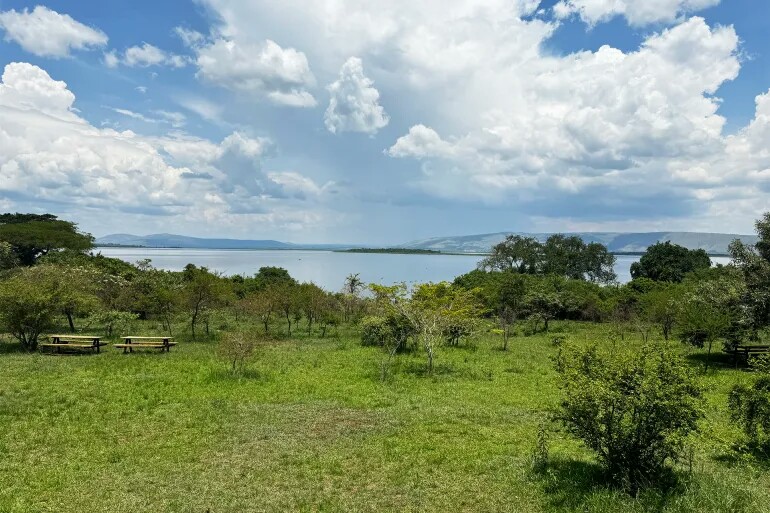
During our return trip, we had to take a short break to eat lunch in a beautiful restaurant on the banks of the lake. Not far away there is a group of tents that visitors rent for rest and camping to enjoy more time among the diverse wildlife.
The park offers various activities, including camping, fishing, night trips, boat trips on Lake Ehima, safaris led by a tour guide, and walking safaris, in addition to other experiences to learn about cultural, social and economic models.
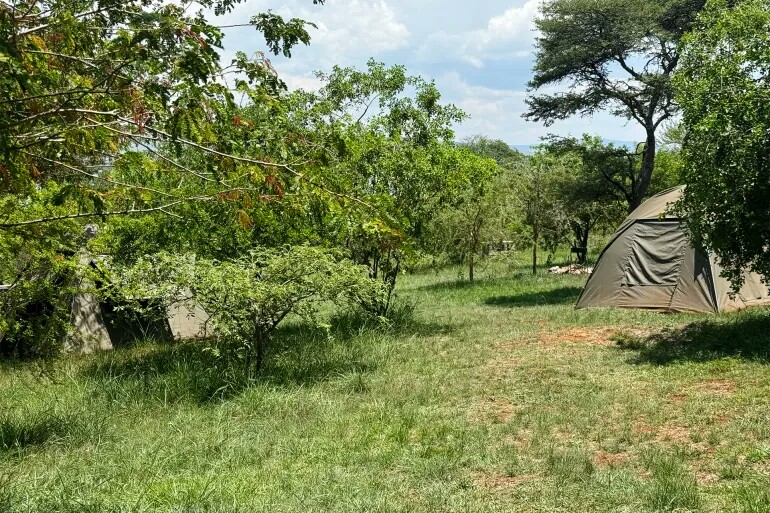
The reserve also offers multiple options for longer-term accommodation, whether in Akagera camps, or in inns (hotels) designed to suit the wild nature of the place.
In one of these inns, we stayed until the morning, to embark on another experience with a boat trip to enjoy seeing the animals from another angle in a reserve that represents, in addition to the “Nyungwe” forest and the “Volcanoes” area (which is the home of gorillas), Rwanda’s most important tourism revenues, which amounted to about 640 million dollars in 2023 after the country received about 1.5 million tourists.